Glass and mirror drilling
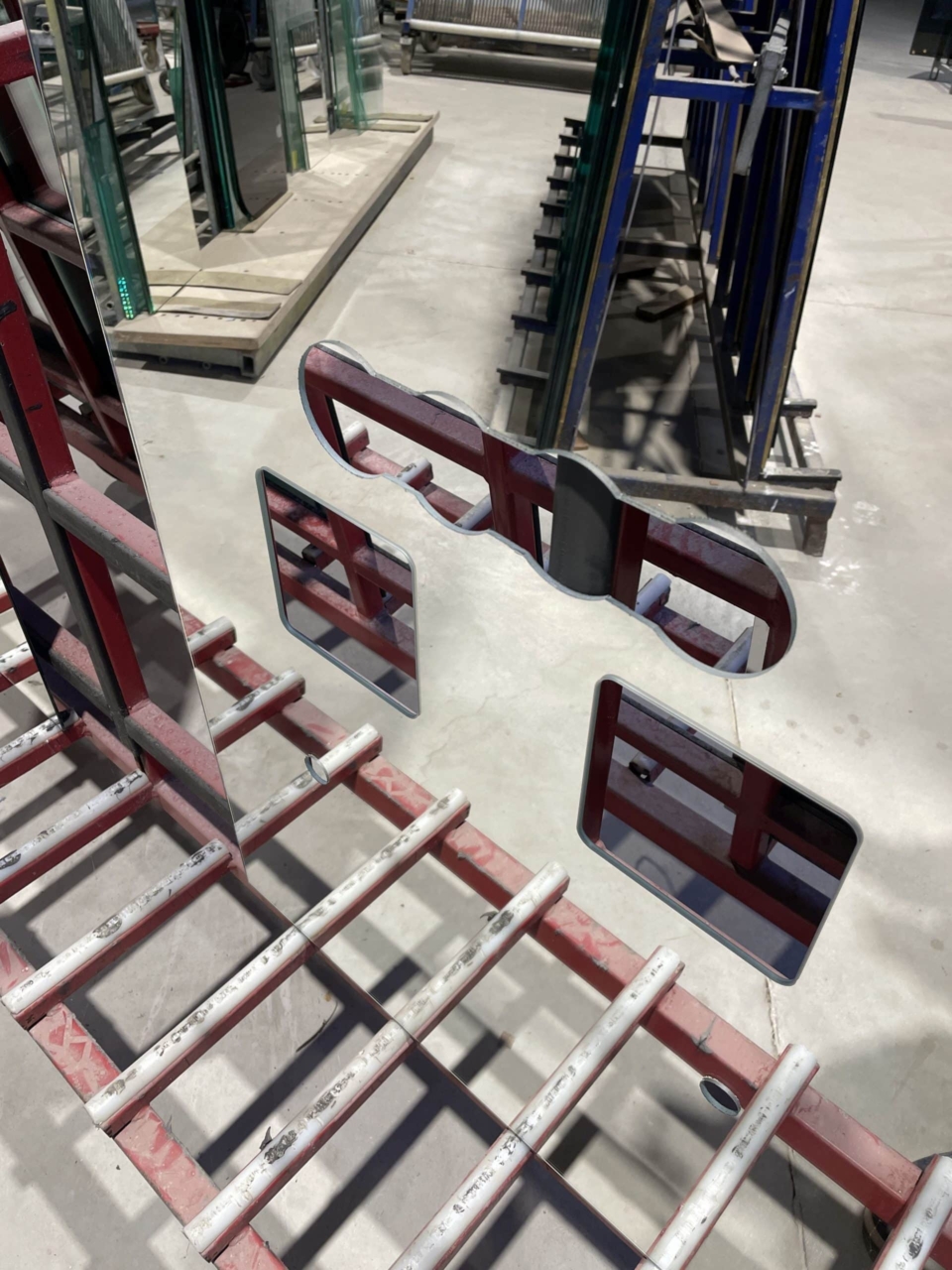
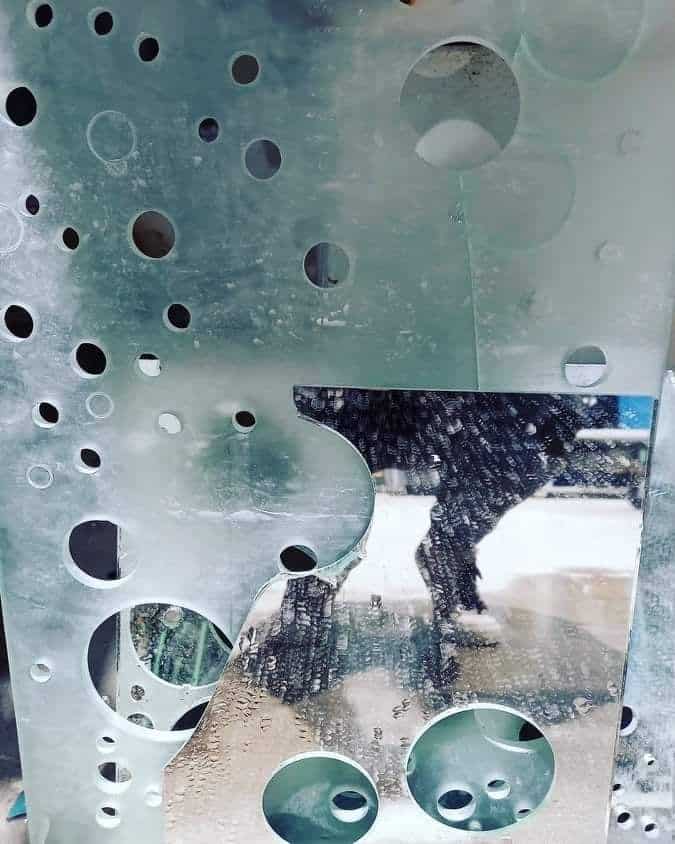
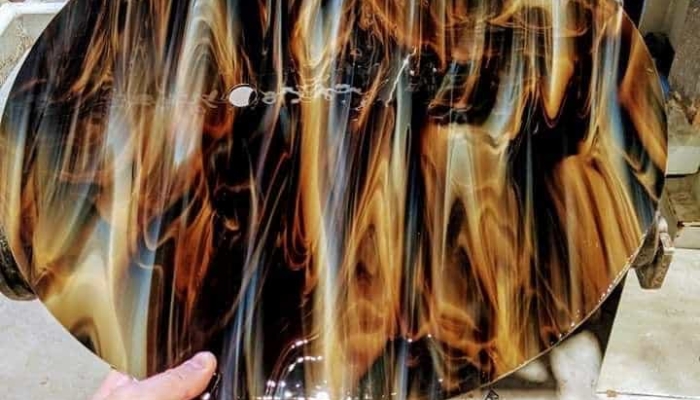
We drill both holes and special-shaped openings
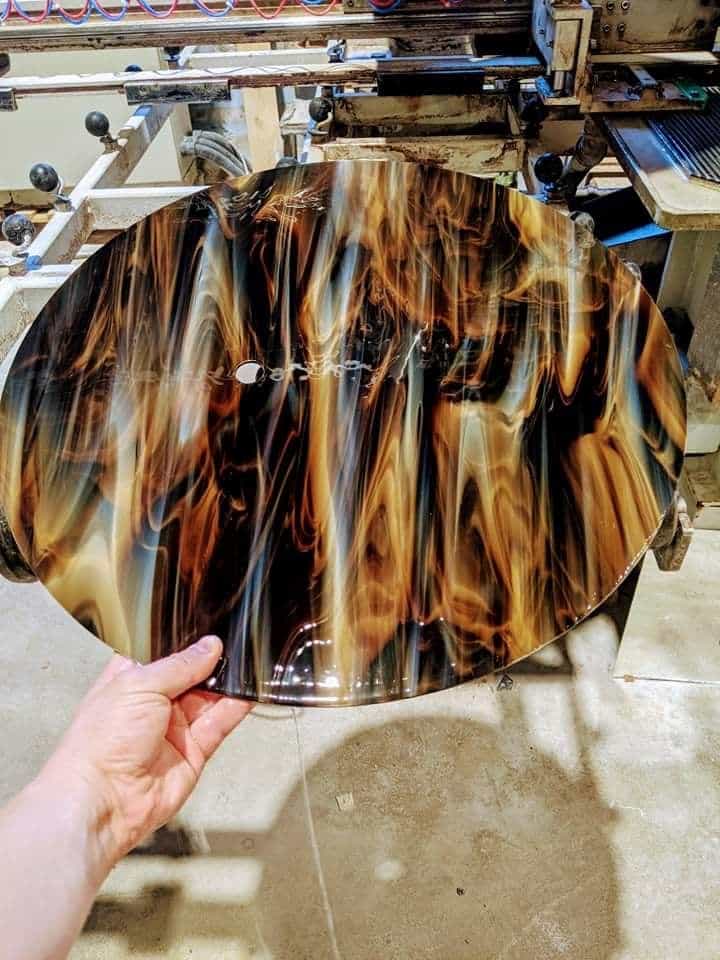
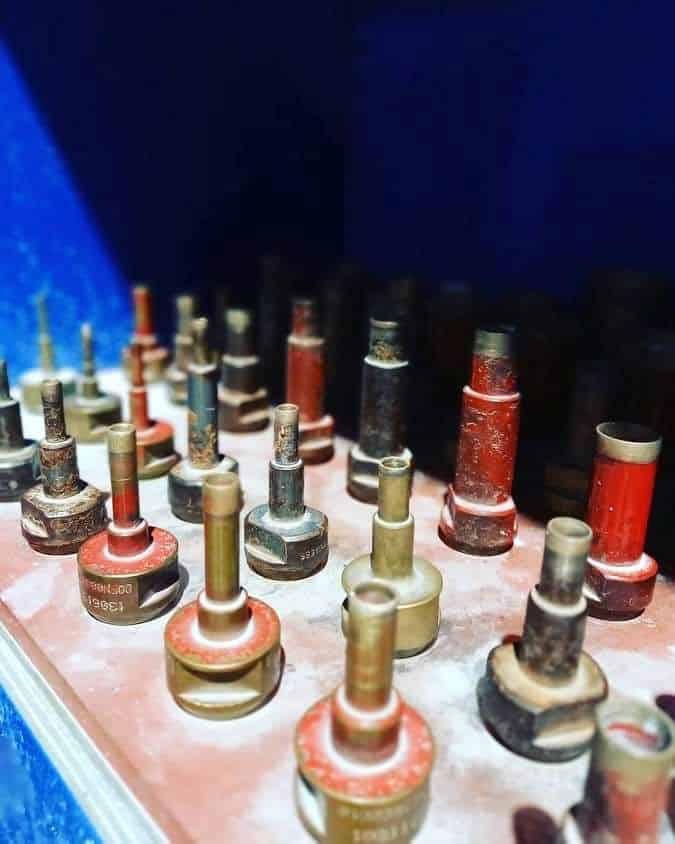
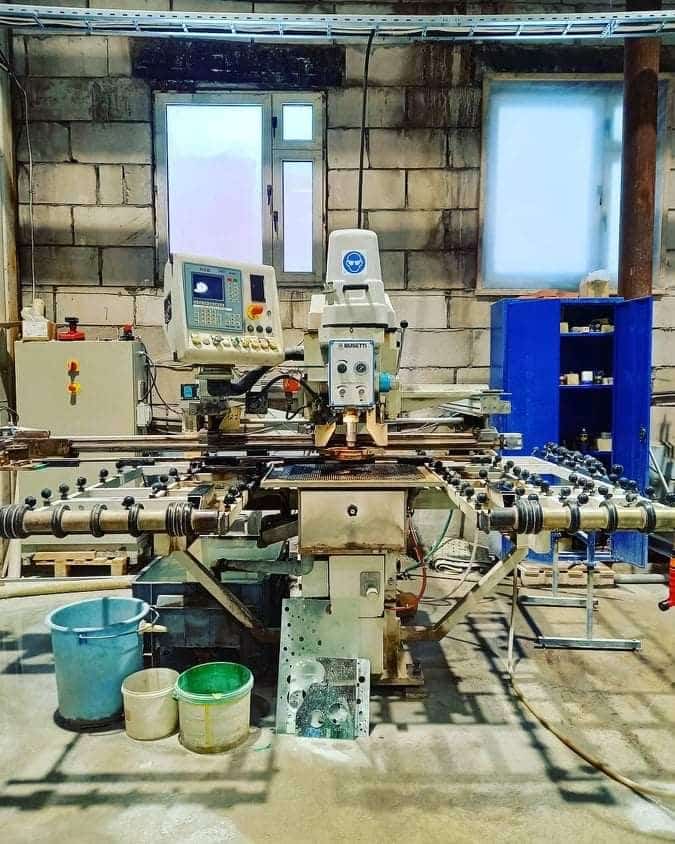
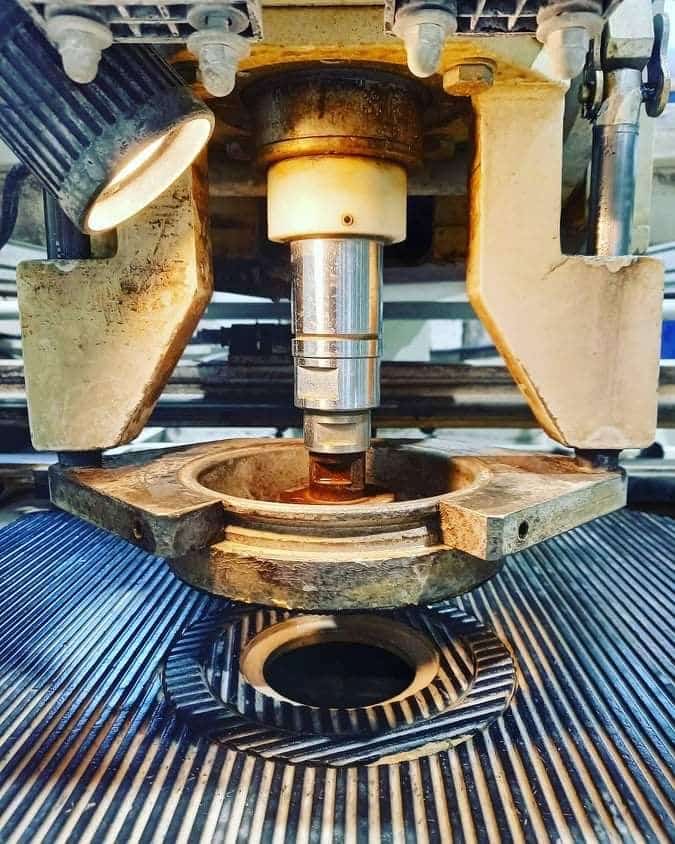
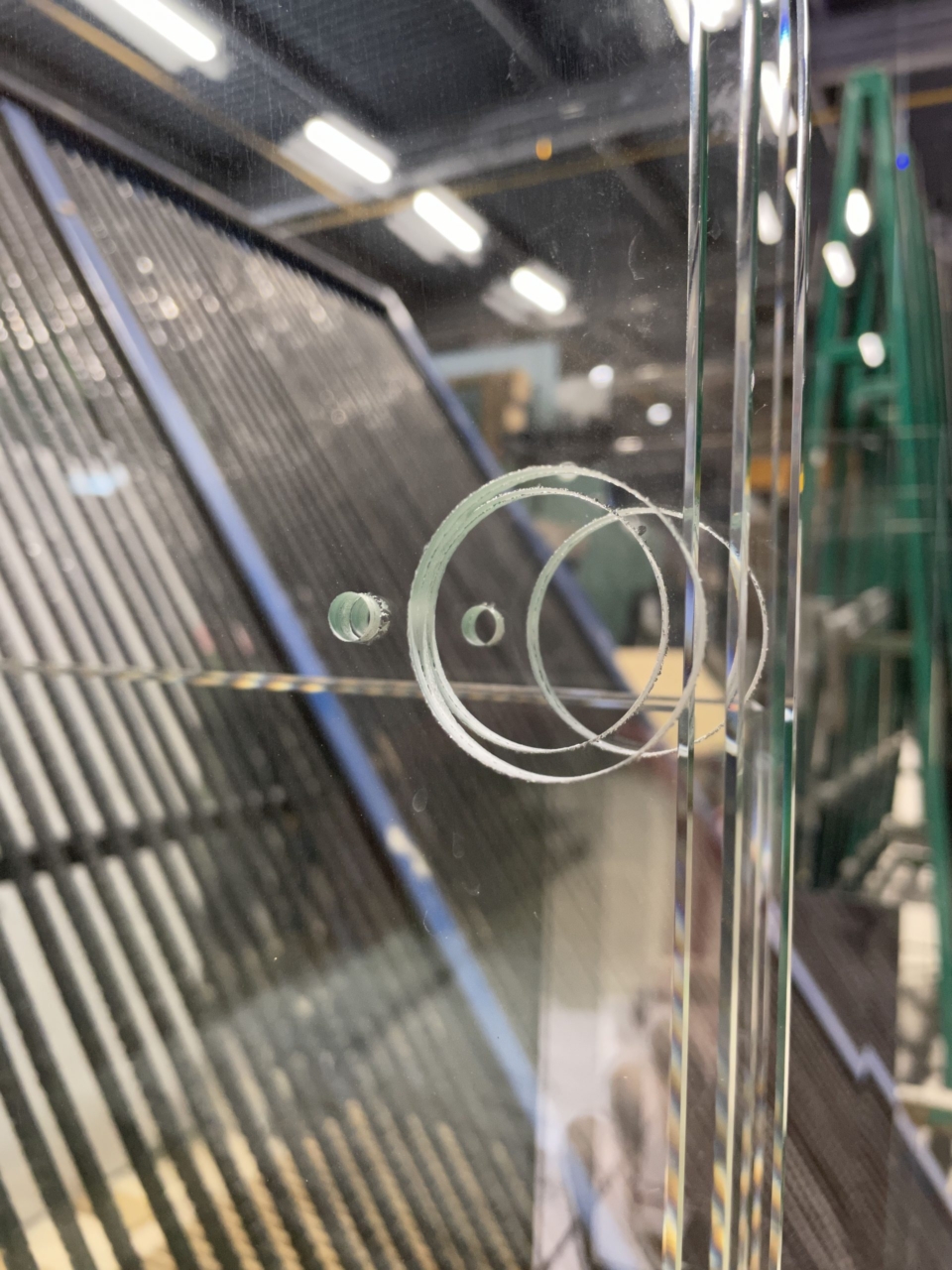
Drilling glass and mirrors is a special processing method used to create holes in both glass and mirrors. The process requires special care and skill to ensure the integrity of the material and to prevent breakage. Special glass drill bits are usually used for the work, the tip of which is coated with diamond powder, allowing the material to be drilled without breaking it. If a special-shaped opening needs to be made in the glass, we use a CNC machine for that. When using both technologies, the glass must be cooled to prevent overheating and breaking, which is why you may also see a lot of water during drilling.
Why are holes and openings needed in glass and mirrors?
Drilling glass and mirrors is used in many fields. It is used, for example, for installing the necessary fittings for shower glass and glass display cabinets, or for making openings for sockets in kitchen backsplash mirrors and glass. We have also made a hole in a glass door so that a cat could go in and out. Therefore, openings in glass can be used both for practical purposes and as design elements.
What must be considered when drilling and making openings?
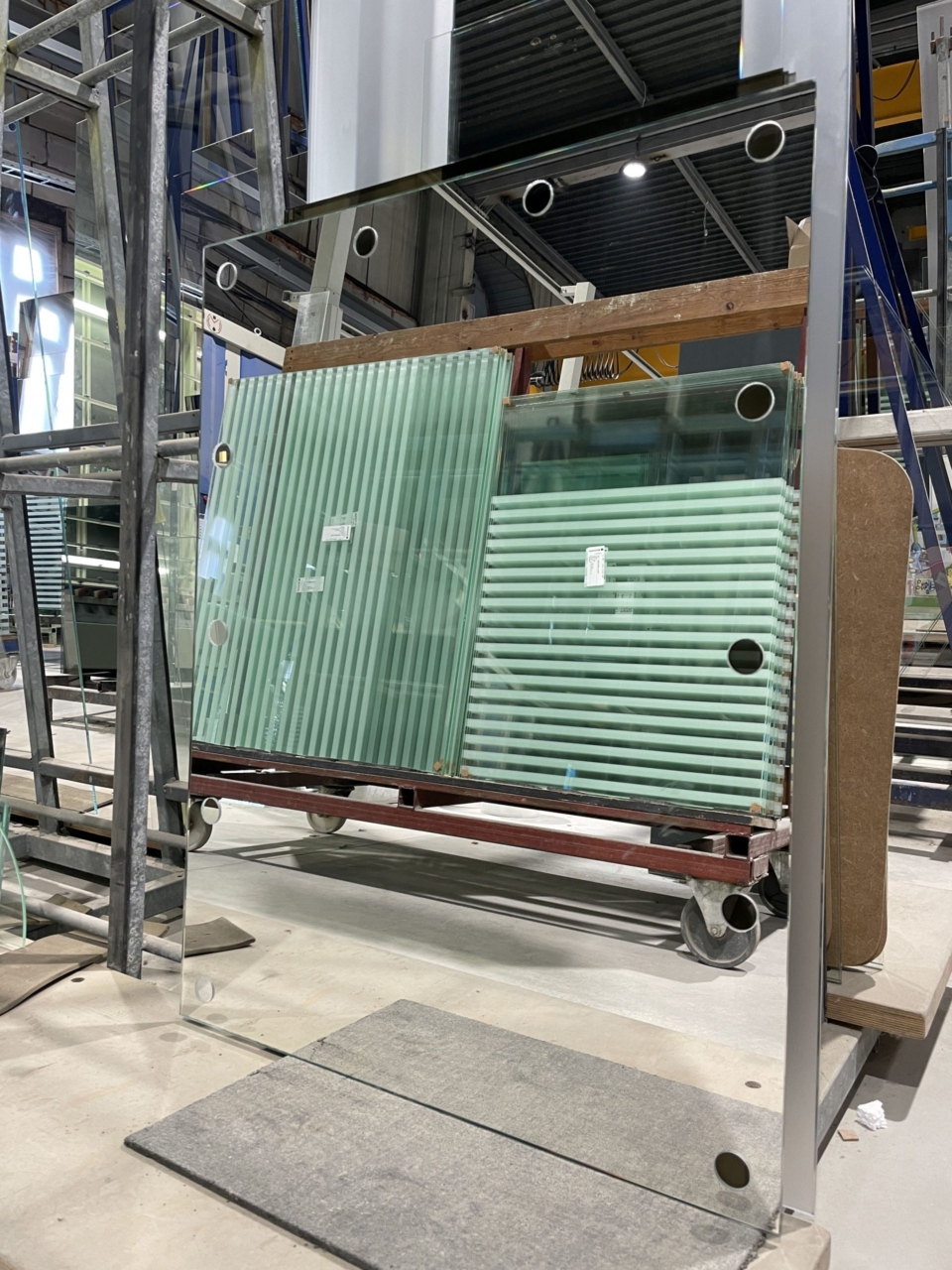
When drilling glass and mirrors, several important technical details must be considered. First, the thickness of the glass or mirror must be taken into account – the thicker the material, the slower and more carefully the drilling must be carried out. When drilling holes, it must also be ensured that the openings and holes made in the glass or mirror are not too close to the edge, as in such cases the material may break under stress. If the glass is intended to be tempered, all openings and holes must be drilled before tempering, as it is not possible to do this afterwards.
Ask for a quote
We have over 30 years of experience in drilling glass and mirrors, and our specialists know how to find the best solution for every need. In addition to our own glass and mirrors, we also drill holes and openings in material brought by the customer, provided that the glass is not tempered. However, since there may be microcracks or stresses inside the glass, Klaasissepa does not take responsibility for the material.